Last updated: April 2026
Do You Need VPN at Home? An Honest Guide
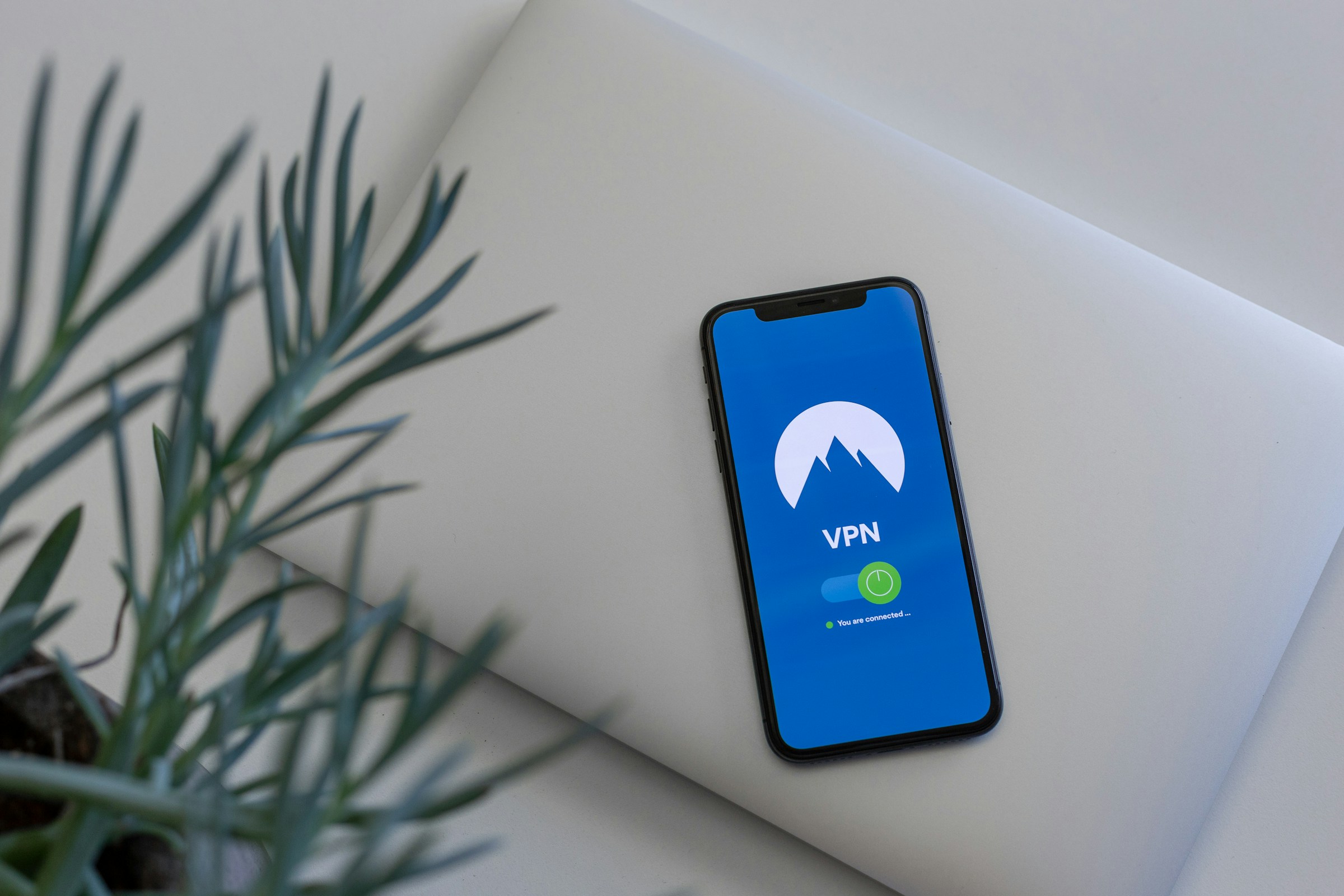
Do you really need a VPN? A VPN (Virtual Private Network) encrypts your internet traffic and hides your IP address. For most users, VPN is most useful when you're on open wireless networks, want to protect your privacy, or need access to services restricted to certain countries. But you don't always need one — here's an honest breakdown.
How Does VPN Work?
When you connect to a VPN, an encrypted tunnel is created between your device and a VPN server. All traffic is sent through this tunnel. The websites you visit only see the IP address of the VPN server, not your actual address. Your internet provider can see that you're connected to a VPN, but not what you're doing.
Think of it like sending a letter in a sealed envelope instead of a postcard. The contents are hidden from everyone who handles it along the way.
When Do You Need VPN?
Public WiFi
Open WiFi networks at cafes, hotels and airports are a favourite target for those who want to intercept data. Without VPN, someone on the same network could potentially see what you're doing. With VPN, traffic is encrypted and no one can read it. Using online banking or logging into email from a cafe? Use VPN.
Privacy at Home
Even at home, your internet provider can see which websites you visit. This is regulated in most countries, but many people still prefer to keep their online activity private. A VPN prevents your traffic from being logged by third parties. NorSIS has good resources on online privacy that explain more about your rights.
Streaming and Geo-Blocking
Many streaming services offer different content in different countries. With a VPN you can connect to a server in another country and access the content available there. Be aware that this may breach the service's terms of use. Netflix and others have got better at detecting and blocking VPN traffic.
Travelling
In some countries the internet is censored. A VPN lets you bypass blocks and use the internet as you're used to at home. Note that VPN use is illegal or restricted in certain countries, so check the rules before you travel.
When Don't You Need VPN?
VPN is not a magic solution for everything. It doesn't protect you against phishing, viruses or scams. If you're already on a secure home network and don't have specific privacy needs, VPN offers limited benefit for everyday use. Most websites already use HTTPS, which encrypts the communication between your browser and the website.
VPN also doesn't make you anonymous. The VPN provider can still see your traffic, and if they log it, it can be handed over to authorities. So choose a provider you trust.
Free VPN vs. Paid VPN
Free VPN services sound tempting, but they often have serious limitations. Many are funded by selling user data or showing ads. Speed is usually poor, and you get access to fewer servers.
Paid VPN services such as Mullvad, NordVPN, ExpressVPN and Surfshark typically cost between £4 and £10 per month. For the price you get faster speeds, more server locations, better customer support and stronger privacy guarantees. Many offer independent audits of their services, which provides extra reassurance.
The rule of thumb: if you're not paying for the product, you are the product. Free VPN can actually make your privacy worse than not using VPN at all.
How to Choose the Right VPN
When evaluating VPN services, look at these points:
- Logging policy: Choose a provider that doesn't log your activity. Check whether they've carried out an independent audit.
- Speed: VPN always reduces speed somewhat. Good services are barely noticeable.
- Server locations: More locations give better flexibility. Check that they have servers where you need them.
- Devices: Most services support Windows, Mac, iOS and Android. Check how many devices you can use simultaneously.
- Kill switch: This feature blocks all internet traffic if the VPN connection drops, so you don't suddenly browse unprotected.
- Price: Annual subscriptions are cheaper than monthly. Be sceptical of extremely low prices.
How to Set Up VPN
Setting up VPN is straightforward. Here's how:
- Choose a VPN service and create an account.
- Download the app to your device (PC, mobile, tablet).
- Log in and choose a server location.
- Press connect. Done.
Most VPN apps require no technical knowledge to set up. If you'd like help with setup, an IT partner like Datafolka can assist you.
VPN at Work
Many companies use VPN to give employees secure access to internal systems from home or while travelling. This is a different type of VPN from the consumer services we've been discussing. A corporate VPN connects you directly to the company's network. Datatilsynet emphasises the importance of information security for companies that handle personal data.
If you work from home and your company doesn't offer VPN, you should raise it with the IT department. It's a basic security measure for remote work.
Summary
VPN is a useful tool for privacy and security, especially on public networks and when travelling. It's not a replacement for common sense online, but a good addition to basic security measures such as strong passwords and two-factor authentication and keeping software up to date.
For most users, a paid VPN service is worth the money if you regularly use public WiFi or want better privacy. Stay away from free services with unknown origins, and choose a provider with a documented logging policy.
Frequently Asked Questions about VPN
- Do I need VPN at home?
- For most people, VPN at home is optional. Your home network is already secure, and most websites use HTTPS. VPN is most useful if you want extra privacy or want to prevent your internet provider from logging your activity.
- Is free VPN safe to use?
- No, most free VPN services are funded by selling user data or showing ads. They can actually make your privacy worse. Choose a paid service such as Mullvad, NordVPN or Surfshark for safe use.
- Does VPN make you anonymous online?
- No. VPN hides your IP address and encrypts traffic, but the VPN provider can still see your activity. You are also not protected against phishing, viruses or tracking via cookies.
- When should I absolutely use VPN?
- Always on public WiFi (cafes, hotels, airports), when travelling to countries with internet censorship, and when working from home and needing access to company systems.
- How much does VPN cost?
- Paid VPN services typically cost between £4 and £10 per month. Annual subscriptions are cheaper. For the price you get faster speeds, more servers and better privacy guarantees.